Mistfall Hunter is an extraction-focused action RPG where the equipment you take into the Mist can determine whether you escape with valuable loot or lose everything in a failed run. Armor is especially important because it provides the defensive foundation for your build while also contributing offensive and utility stats that can dramatically change how your character performs. This Mistfall Hunter Armor Guide explains the armor system, equipment slots, rarity, important stats, class restrictions, traits, accessories, gear progression, and the best ways to build an effective loadout.
Understanding Armor in Mistfall Hunter
Armor in Mistfall Hunter is more than a simple defensive layer. Individual pieces can contribute attributes that improve survivability, mobility, resource management, damage output, and overall combat efficiency. Because equipment can be lost when you die during an expedition, choosing the right balance between performance and risk is an important part of the game’s progression system.
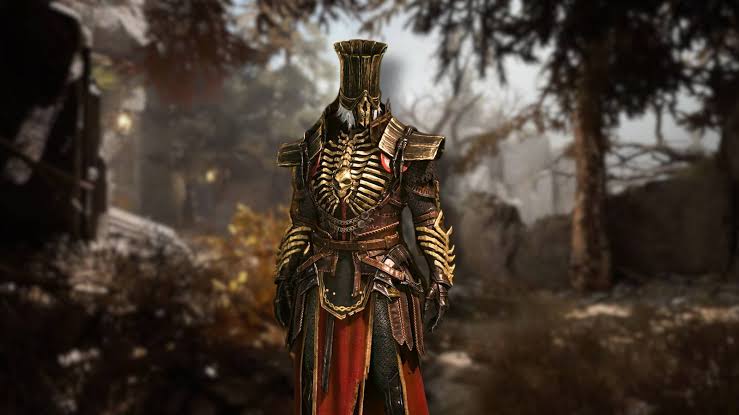
Current community databases list armor across the major equipment slots, including head, chest, hands, legs, and feet, while accessories such as rings and necklaces occupy their own equipment positions. Some equipment is class-specific, meaning you cannot simply take the strongest-looking item and equip it on every Hunter. Your class, weapon setup, preferred combat style, and available budget should all influence your final loadout.
Mistfall Hunter Armor Slots Explained
The easiest way to understand the Mistfall Hunter armor system is to look at each equipment slot individually. Every slot contributes to your overall build, but not every piece should be judged by its defensive value alone. A piece with slightly lower combat value can sometimes be much better if its attributes complement your build.
Head Armor
Headgear generally forms part of your defensive foundation and can provide useful attributes that complement your class. When comparing helmets, masks, hoods, or similar head pieces, pay attention to their base attributes as well as any additional affixes or sockets. A higher rarity item is not automatically the best choice if its bonuses do not support your playstyle.
Chest Armor
Chest armor is one of the most important defensive pieces in a complete loadout. Because chest pieces can provide significant defensive value, replacing a weak chest piece can noticeably improve your ability to survive encounters. Players building melee characters should usually give their chest slot considerable attention, while ranged characters may prefer a balance between defense, mobility, and offensive utility.
Hand Armor
Gloves, bracers, and similar hand equipment can help fill gaps in your build. Depending on the item and its available attributes, this slot can contribute to offensive statistics, survivability, or utility. Do not automatically sell a lower-rarity glove simply because a higher-rarity replacement has a better color tier; compare the actual attributes first.
Leg Armor
Leg armor provides another opportunity to stack useful defensive and utility attributes. For aggressive builds, movement and stamina-related bonuses can be particularly valuable because they help you maintain pressure without sacrificing too much survivability.
Foot Armor
Boots are especially useful for players who rely on movement to survive. Mobility can be extremely important in an extraction game because repositioning, escaping enemy attacks, rotating around terrain, and disengaging from unfavorable fights can be just as valuable as having additional raw defense.
Rings and Necklaces
Accessories deserve special attention because they can provide highly valuable build-defining attributes. Community equipment data indicates that some rings and necklaces do not carry class requirements, making them particularly useful when experimenting with different Hunters. They can also be valuable long-term purchases because they can remain useful when you change classes.
Mistfall Hunter Armor Rarity System
Armor and equipment are divided into multiple rarity tiers. Current community databases identify tiers ranging from damaged and common equipment through rare, excellent, epic, legendary, and higher-end categories. However, rarity should be treated as a starting point rather than an automatic ranking of usefulness.
A higher-rarity item generally has stronger potential, but the actual attributes, affixes, sockets, durability, and compatibility with your build are what determine whether it is worth taking into the Mist. Two pieces with similar names or appearances can perform very differently if one has a useful affix or socket while the other does not.
One important consideration is that equipment progression is not simply a conventional upgrade path where you repeatedly improve the same item. Community data indicates that different versions and tiers can represent separate pieces rather than a single item being upgraded indefinitely. This makes evaluating replacement gear an important part of gearing.
Best Armor Stats to Look For
The best stats depend heavily on your class and build, but several attributes are broadly useful. Maximum Health is valuable for almost every Hunter because it increases your margin for error. Defensive resistance can help reduce incoming damage, while movement-related attributes can improve your ability to avoid attacks and reposition.
Offensive attributes can also be valuable on armor because they allow defensive equipment to contribute directly to your combat performance. The ideal loadout therefore combines enough defense to survive mistakes with enough offensive and utility value to ensure that you can actually win encounters.
Maximum Health
Maximum Health is one of the easiest defensive statistics to appreciate. More health gives you additional time to react when you are ambushed or caught by an enemy attack. It is particularly useful for beginners who are still learning enemy patterns and PvP engagements.
Defense and Resistance
Defensive attributes reduce the punishment you receive when attacks connect. These statistics become increasingly valuable for melee-oriented characters who spend more time within enemy attack ranges. A strong defensive core can also make mistakes less costly during difficult PvE encounters.
Movement Speed
Movement Speed can be deceptively powerful. Faster movement can make it easier to dodge, chase opponents, escape monsters, reposition during a fight, and rotate toward extraction points. For fragile ranged or assassin-style builds, mobility can sometimes be more valuable than simply stacking additional defensive statistics.
Stamina-Related Attributes
Stamina management matters for characters that rely heavily on charged attacks, dodging, blocking, or repeated melee engagements. If your build constantly runs out of stamina, adding survivability alone will not solve the problem. A well-balanced loadout should allow you to maintain your preferred combat rotation for longer.
Cooldown and Resource Attributes
Abilities are an important part of Mistfall Hunter’s combat system, so cooldown and resource-related statistics can significantly influence a build. These attributes are especially attractive when your class depends on abilities for damage, crowd control, mobility, healing, or defensive reactions.
Mistfall Hunter Armor Traits and Affixes
One of the most important aspects of Mistfall Hunter gear is the additional bonuses attached to individual pieces. Traits or affixes can change the value of an otherwise ordinary item, which is why experienced players should inspect the complete item rather than judging it solely by rarity.
Examples of useful traits found in community build information include Tenacious, Stoic, Valor, Fervid, Vitality, Focused, and other defensive or offensive options. Their usefulness depends on the class and build. A trait that is excellent on a heavy melee character may be less useful on a ranged Hunter that prioritizes mobility and distance.
Tenacious
Tenacious is particularly attractive for players who want a larger health buffer and stronger recovery potential. It fits naturally into defensive and sustained-combat builds because it helps increase the amount of punishment a Hunter can withstand.
Stoic
Stoic is useful as a defensive safety layer. It can be valuable when your build frequently finds itself under heavy pressure or when you need additional protection during dangerous encounters. It works particularly well when combined with other survivability-focused traits rather than being treated as a complete defensive solution by itself.
Valor
Valor is an attractive choice for players who want additional offensive pressure without completely abandoning defensive equipment. It can help speed up PvE encounters and give you more damage during PvP exchanges.
Fervid
Fervid can reward players who manage their health carefully and make the most of strong opening exchanges. It is better suited to players who understand when to attack aggressively and when to disengage instead of continuously trading damage.
Vitality
Vitality is particularly interesting for stamina-dependent builds. Heavy weapons and repeated dodges can consume substantial stamina, so additional stamina support can improve consistency during longer fights.
Focused
Focused can be valuable for builds that depend on charged attacks and movement. Faster charging can help you punish openings more reliably, while improved movement can make it easier to maintain favorable positioning.
Best Armor Approach for Each Class
There is no single best armor set for every Hunter. Mistfall Hunter currently has six playable classes: Mercenary, Sorcerer, Blackarrow, Shadowstrix, Seer, and Withered Knight. Equipment and weapons are class-gated, so your armor strategy should begin with understanding what your chosen class wants to accomplish.
Mercenary Armor
The Mercenary is suited to players who enjoy frontline combat, defensive reactions, and close-range pressure. Mercenary armor should generally emphasize survivability while retaining enough offensive or stamina support to keep your attacks consistent.
A beginner Mercenary should prioritize health, defense, resistance, and reliable stamina management. As your mechanical skill improves, you can shift some of your defensive investment toward damage and utility. A balanced setup is usually easier to use than an extreme glass-cannon build.
Sorcerer Armor
The Sorcerer is a ranged spellcasting class that benefits from maintaining distance and controlling engagements. Sorcerer armor should therefore support survivability without forcing you to sacrifice the mobility and resources required to cast effectively.
Health and resistance can help protect you when enemies close the distance, while cooldown and resource-oriented attributes can improve your ability to maintain pressure. Because Sorcerers generally prefer not to stand directly in melee range, positioning should remain a major part of the build.
Blackarrow Armor
Blackarrow players generally want to maintain distance and capitalize on ranged damage. A good Blackarrow loadout should therefore balance ranged offensive potential with enough defensive and mobility statistics to survive when enemies manage to close the gap.
Movement-related bonuses are particularly valuable for ranged players because repositioning is one of the class’s greatest defensive tools. Do not build exclusively for damage if doing so makes you unable to survive an ambush.
Shadowstrix Armor
Shadowstrix is designed around an aggressive assassin-style playstyle. The class benefits from mobility, burst potential, and the ability to choose when to engage. Armor should support this identity rather than turning the character into a slow defensive tank.
Players should look for a combination of survivability, mobility, offensive bonuses, and resource management. The ideal Shadowstrix setup lets you enter quickly, deliver pressure, and escape before an unfavorable fight develops.
Seer Armor
The Seer can be built around support, control, and utility depending on the player’s preferred weapon and skill setup. Because the class can contribute to a team’s overall effectiveness, Seer armor should be selected according to the role you want to perform.
Support-oriented players can prioritize survivability and resource efficiency, while more aggressive Seer builds can allocate additional equipment value toward offensive statistics. The important thing is to ensure that the armor supports your actual skill rotation.
Withered Knight Armor
The Withered Knight is well suited to players who prefer heavy melee combat and sustained frontline pressure. Its armor should generally emphasize durability, stamina management, and enough offensive power to punish enemies who remain within range.
Community build information highlights combinations such as Tenacious, Stoic, Vitality, Focused, Valor, and Fervid for survival-oriented Withered Knight setups. Rather than stacking one attribute everywhere, combine complementary bonuses so that the build can survive, attack, and recover effectively.
How to Build the Best Armor Loadout
The best way to create a loadout is to start with your combat objective instead of searching for the highest rarity item available. Decide whether you are building for PvE farming, PvP, solo extraction, team play, boss encounters, or general-purpose runs.
For a general-purpose loadout, begin with a strong defensive foundation. Add health and resistance where necessary, then use remaining slots to solve your build’s biggest weaknesses. If stamina is the problem, add stamina support. If you cannot catch or escape opponents, improve mobility. If enemies survive too long, introduce offensive attributes.
This approach is much more effective than blindly equipping whatever has the highest combat value. A single statistic rarely determines whether an item is good. Your entire loadout should work together.
Best Armor Priorities for Beginners
New players should avoid spending their best equipment immediately. Because extraction gameplay creates the possibility of losing carried gear after death, it is often better to maintain multiple levels of equipment for different situations.
- Build a cheap starter set. Use affordable equipment while learning maps, monsters, extraction routes, and PvP encounters.
- Upgrade your weakest slots first. Replacing a poor item usually provides more value than replacing an already strong item.
- Prioritize useful attributes. Do not chase rarity at the expense of useful bonuses.
- Keep an emergency loadout. Store equipment that can get you back into the Mist after an unsuccessful run.
- Only risk expensive gear when necessary. Expensive equipment should be used when the potential reward justifies the risk.
Mistfall Hunter Equipment Progression
Gear progression is different from traditional RPG progression because equipment has an economic risk attached to it. Dying can remove the gear you brought into the expedition, which means a powerful loadout is not automatically the correct loadout for every situation.
For early progression, concentrate on establishing a reliable baseline set. Once you can consistently survive and extract, gradually introduce better armor and accessories. At the endgame, focus more heavily on optimized attributes, complementary traits, high-quality versions, and equipment that supports your specific combat strategy.
Community gearing resources also point to the Auction House as a major way of filling gaps in a loadout. Purchasing exactly what you need can be more efficient than waiting for a perfect random drop, particularly when you already understand which attributes your build requires.
Armor Durability and Risk Management
Durability is an important consideration when choosing between otherwise similar items. A powerful item that is already heavily damaged may not be as attractive as a slightly weaker piece in better condition, particularly when you are preparing for repeated runs.
This is one reason experienced extraction players often maintain different loadouts. Your best equipment can be reserved for difficult objectives, while a cheaper set can be used for farming materials, completing routine tasks, learning a new map, or recovering after a death.
Should You Always Use Legendary Armor?
No. Legendary armor can be excellent, but it is not automatically the best choice for every run. The correct question is whether the item’s attributes and traits improve your actual build enough to justify the additional risk.
A well-rolled lower-rarity item can be more useful than a poorly matched high-rarity piece. This is particularly important for beginners, because losing expensive gear repeatedly can slow progression rather than accelerate it.
Armor vs. Weapons: What Should You Upgrade First?
Weapons are usually central to your damage output and skill selection, while armor determines how safely you can execute your combat plan. The correct priority therefore depends on your current weakness.
If you already have adequate survivability but struggle to defeat enemies quickly, improving your weapon may be the better choice. If you are dealing sufficient damage but constantly dying, upgrading armor is likely to provide more immediate value. Accessories can then be used to fine-tune the remaining weaknesses.
Common Armor Mistakes to Avoid
Chasing Rarity Instead of Stats
The color of an item should not be the only reason you equip it. Always compare the actual attributes, traits, sockets, durability, and class compatibility.
Ignoring Mobility
Survivability is not just about absorbing damage. Avoiding attacks, escaping bad engagements, and reaching extraction safely can be just as important as increasing your health pool.
Building Too Much Damage
A glass-cannon loadout can look impressive on paper but fail quickly when an opponent catches you. Make sure your offensive setup has enough defensive support to survive an unexpected engagement.
Using Your Best Gear Everywhere
Not every expedition deserves your most expensive equipment. Create budget, standard, and high-investment loadouts so that one unfortunate death does not stop your progression.
Ignoring Class Synergy
Armor should support your weapons, skills, and talents. A strong individual item can still be a poor choice if its attributes do not fit your combat loop.
Mistfall Hunter Armor Guide: Recommended Build Philosophy
The strongest approach to armor optimization is to think in terms of complementary layers. Start with enough health and resistance to survive normal mistakes. Add mobility or stamina where your class requires it. Then invest in offensive or ability-related bonuses to improve your kill speed.
For example, a heavy melee Hunter may benefit from a combination of Tenacious and Stoic for survival, Vitality for stamina management, and offensive traits such as Valor or Fervid for additional pressure. A ranged character may instead prefer more mobility and offensive utility because avoiding damage is already an important part of the class’s defensive strategy.
How to Know When to Replace an Armor Piece
Replace an armor piece when it is clearly holding your build back. This could happen because its durability is poor, its attributes are outdated, its traits conflict with your playstyle, or another item provides a much stronger combination of useful bonuses.
Do not replace an item simply because a new piece has a higher rarity. Compare both items side by side and ask which one helps you survive and win actual encounters more effectively.
Best Gear Strategy for PvE
For PvE-focused runs, prioritize survivability, consistent damage, stamina management, and resource efficiency. Monsters can pressure you repeatedly, so a build that performs well over a long encounter is often more valuable than one designed only for short burst windows.
Health and resistance provide a reliable foundation, while offensive traits help shorten encounters. If your build uses charged attacks or stamina-intensive abilities, make sure your equipment does not leave you unable to perform your core attacks after a few exchanges.
Best Gear Strategy for PvP
PvP requires a different mindset. Other players can exploit predictable weaknesses, so mobility, burst potential, survivability, and the ability to disengage are all important. A build that is excellent against monsters may still struggle against a skilled opponent who knows how to manipulate spacing.
For PvP, avoid creating a build that depends on receiving damage and slowly recovering. Instead, aim for a setup that gives you options: enough defense to survive an initial mistake, enough mobility to reposition, and enough damage to punish an opponent when they make one.
Best Gear Strategy for Solo Players
Solo Hunters should generally place greater value on self-sufficiency. You cannot depend on a teammate to rescue you, distract enemies, or provide support when your health is low. As a result, balanced defensive attributes can be particularly valuable.
A solo loadout should also have an escape plan. Mobility, stamina management, and reliable defensive options can make the difference between extracting with valuable loot and losing an entire run.
Best Gear Strategy for Teams
Team players can specialize more aggressively because different members can cover different weaknesses. A frontline Hunter can concentrate on durability and pressure, while a ranged teammate focuses on damage and positioning. A support-oriented character can then emphasize survival and utility.
This means the best team armor setup is not necessarily three identical builds. Specialization can make the entire squad stronger when each player understands their role.
Frequently Asked Questions
What is the best armor in Mistfall Hunter?
There is no single armor piece that is best for every class. The best armor is the equipment whose attributes, traits, rarity, durability, and class compatibility fit your intended build.
Does armor depend on your class?
Yes. Community equipment references indicate that armor is class-tagged, with the major Hunter classes having their own equipment pools. This means you should filter gear according to the class you actually intend to play.
Is higher rarity always better?
No. Higher rarity can provide stronger equipment potential, but a lower-rarity item with better attributes or traits can be more useful for a particular build.
What armor should beginners use?
Beginners should use affordable armor with balanced health, defense, resistance, and utility attributes. Save expensive equipment for difficult objectives until you are comfortable surviving and extracting consistently.
Should I prioritize health or damage?
Start with enough health and defense to survive normal encounters, then add damage. A Hunter that deals enormous damage but dies before using it effectively is not an efficient build.
Are rings and necklaces important?
Yes. Accessories can provide valuable attributes and may be less restrictive than class-specific armor. They are especially useful for fine-tuning a build after the main armor slots are established.
Final Verdict
The best way to approach Mistfall Hunter Armor is to stop thinking of armor as a collection of individual items and start treating it as a complete system. Your class, weapons, skills, talents, traits, accessories, and combat role should all point in the same direction.
A strong beginner setup should emphasize reliable survivability and affordable gear. Intermediate players can begin optimizing individual traits and attribute combinations, while experienced Hunters can create specialized PvE, PvP, solo, team, farming, and high-risk loadouts.
The most important lesson from this Mistfall Hunter Armor Guide is that the highest rarity item is not automatically the strongest item for you. Look at the complete combination of attributes, traits, durability, class requirements, and how much you are willing to risk on a particular expedition. When every piece of equipment contributes to the same combat strategy, your Hunter becomes considerably more consistent in the Mist.
Quick Armor Checklist
- Choose armor that is compatible with your current class.
- Compare attributes instead of judging items only by rarity.
- Prioritize health and resistance when survivability is your main weakness.
- Use movement and stamina bonuses when your combat style depends on mobility.
- Look for traits that complement your weapons and skills.
- Do not take your most expensive equipment into every expedition.
- Maintain a cheaper backup loadout for recovery runs.
- Use accessories to fill gaps in your main armor setup.
- Replace gear when its attributes no longer support your build.
- Build separate loadouts for PvE, PvP, solo, team, and high-risk activities when necessary.
Note: Mistfall Hunter’s equipment data and balance can change as the game receives updates. The exact availability, statistics, item pools, and optimal builds may change between patches, so always verify specific item values against the current game version before making major gearing decisions.